🌍 Why Automation Matters — Especially for Non-Technical Professionals We live in an age where digital tools are supposed to simplify our work — yet somehow, we end up doing more. Between CRMs, spreadsheets, analytics dashboards, emails, and social media platforms, most professionals spend hours each week just moving data from one place to another. …
Category: Technology
From Code to Cash: Building New Business Models With Sustainable AI
What if your next business partner was an algorithm… that actually cared about your carbon footprint? AI is no longer a shadow productivity boost – it’s quickly becoming a catalyst for entirely new business models. But here’s the inconvenient truth: every prompt has a footprint. The GPU farms powering your “AI magic” pull electricity, consume …
Turning the Information Deluge into Business Insights
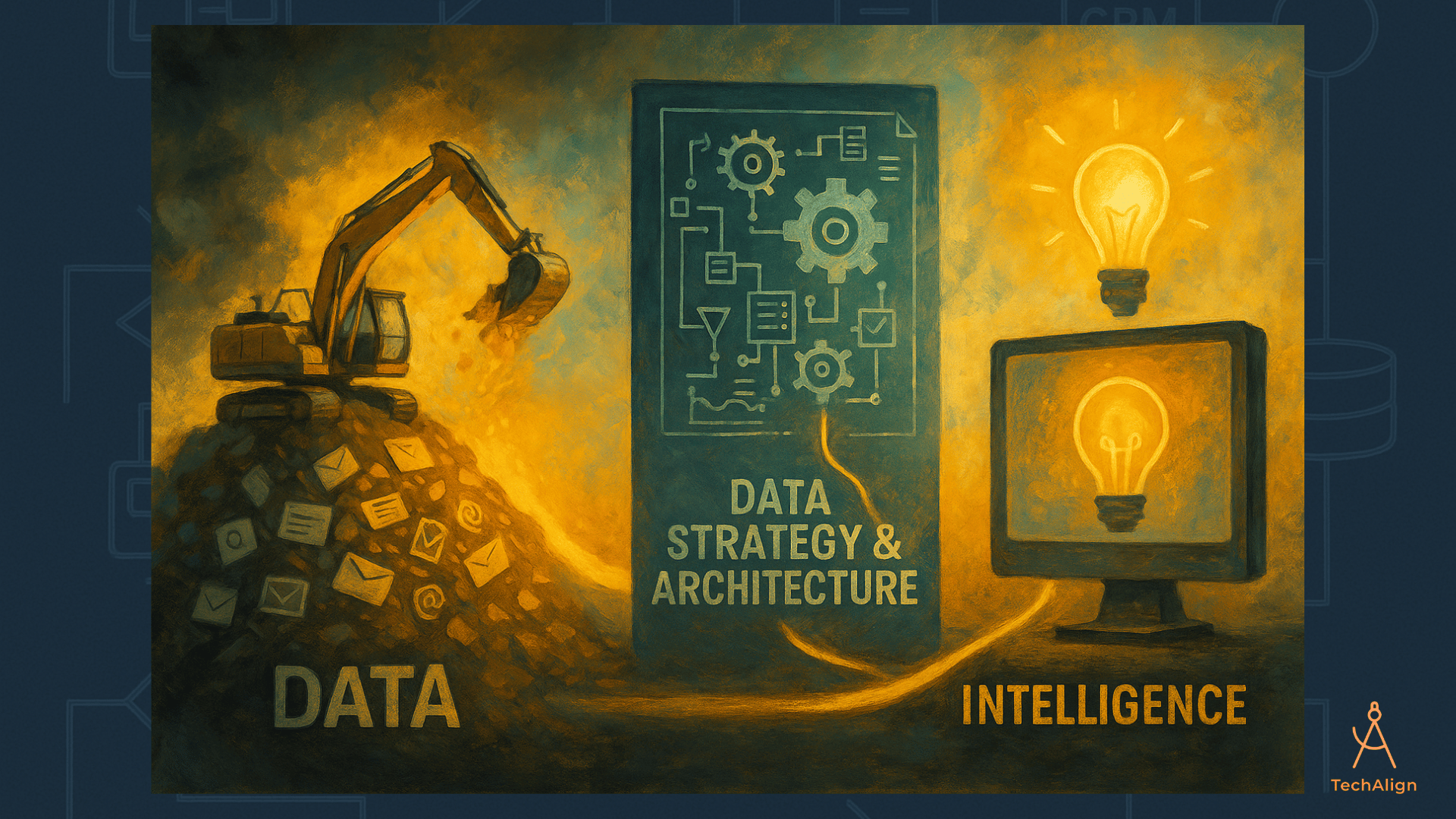
Connecting Data Science with Big Data In the era of digital transformation, data has become our new raw material. And like crude oil, it’s only valuable once refined. Data science and big data related technologies promise to convert this untamed resource into actionable insights, competitive advantages, and even new revenue streams. The challenge lies in …
Measuring and Managing Carbon Across Three Layers of Your Organization
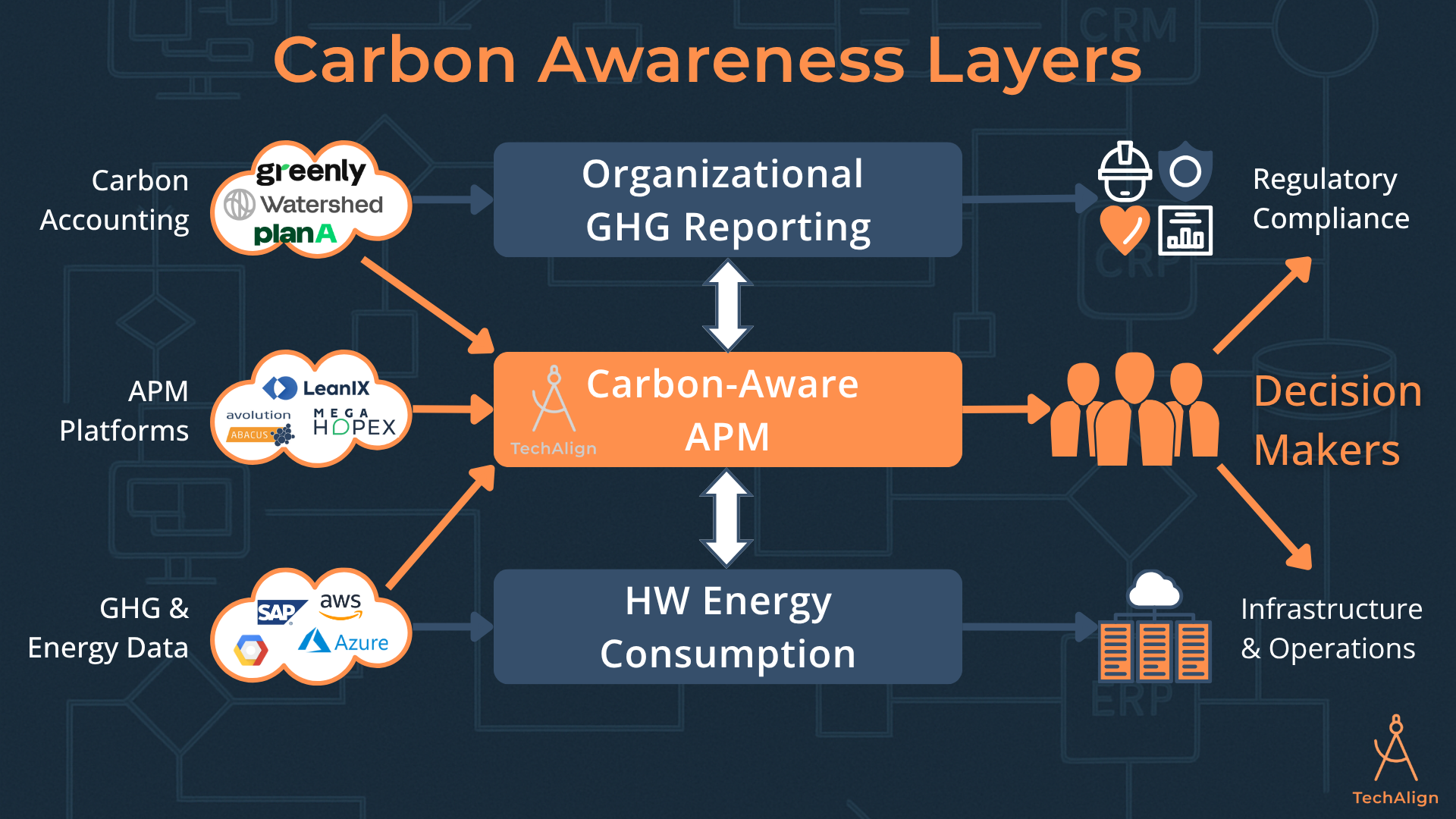
In enterprise IT, we’re fluent in the language of layers. From network to application, each stratum has its protocols and responsibilities. Tackling greenhouse gas emissions demands the same layered mindset. Too often organizations focus solely on top-level reporting or infrastructure tweaks, overlooking the “missing middle” where applications themselves can and must become carbon-aware. Here’s how …
Frugal AI: Smarter, Lighter, and Greener Intelligence
With the rise of generative AI, our collective appetite for computing power is reaching new heights. While AI continues to unlock remarkable capabilities across industries, it also quietly consumes a staggering amount of electricity, water, and raw materials. According to recent estimates, the ICT sector contributes nearly 4% of global greenhouse gas (GHG) emissions, a figure that’s …
The Real Existential Risk of AI Isn’t What You Think
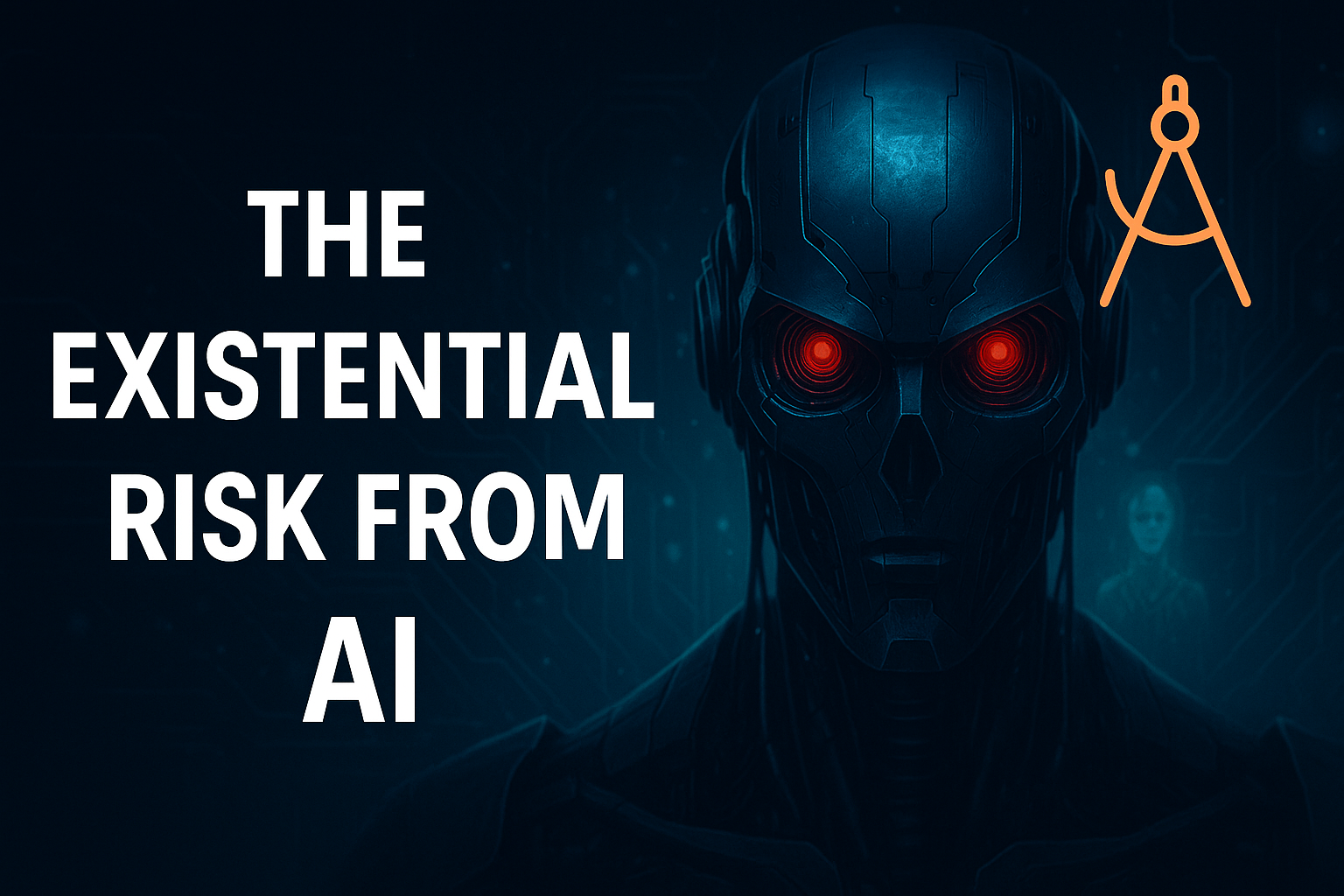
Everyone’s worried about AI becoming sentient and taking over: cue the killer robots, glowing red eyes, and post-apocalyptic deserts. That’s great science fiction. But not great systems thinking. Here’s what we should actually be worried about: AI that’s dumb, fast, and unsupervised. Not malicious, just highly efficient, poorly understood, and capable of causing chaos at …
Gartner’s Influence on Technology Decisions: A Balanced Approach to Enterprise Architecture Tools
In today’s rapidly evolving technological landscape, choosing the right tools and vendors to support enterprise architecture (EA) is more critical than ever. These decisions can significantly impact how well an organization aligns its IT capabilities with its strategic goals. Gartner, one of the most influential players in technology research, provides resources like the Magic Quadrant …
How Enterprise Architecture Can Foster Sustainable Practices
From Sustainability Strategy to Execution In the last ten years, enterprise architects have played a central role in the digital transformation. Their holistic view of the organization, underpinned by comprehensive methodologies and extensive access to IT and business portfolio data, makes them ideally suited to translate business strategies into actionable plans. However, enterprise architects have …
Machine Learning as Decision Making
Can ML replace all decision logic? Traditionally, software developers used logical gates or decision trees to make choices in code. When the criteria are met, the system can make a decision without human input. One of the uses for Machine Learning is to allow the software to make decisions without hard-coded logic or semantic-based algorithms. …
How Emerging Technologies Are Transforming Businesses
Advances in emerging technologies have created an environment ripe for inventors and entrepreneurs seeking to create innovative solutions and products which are designed to improve and better existing business processes. The role of Digital Transformation can be thought of as a process facilitating the shift towards more efficient and productive ways of doing things. In this article, we will review some of the more recent advancements in emerging technologies which are helping businesses transform their operations.